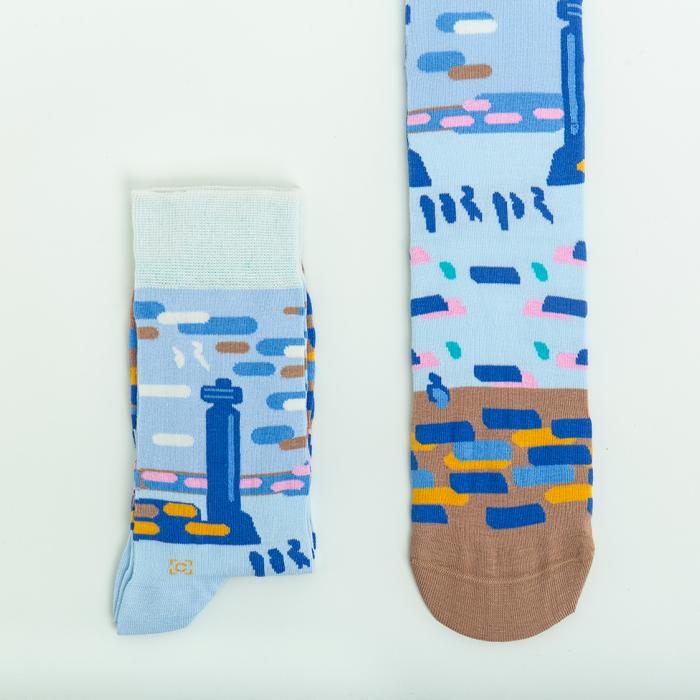
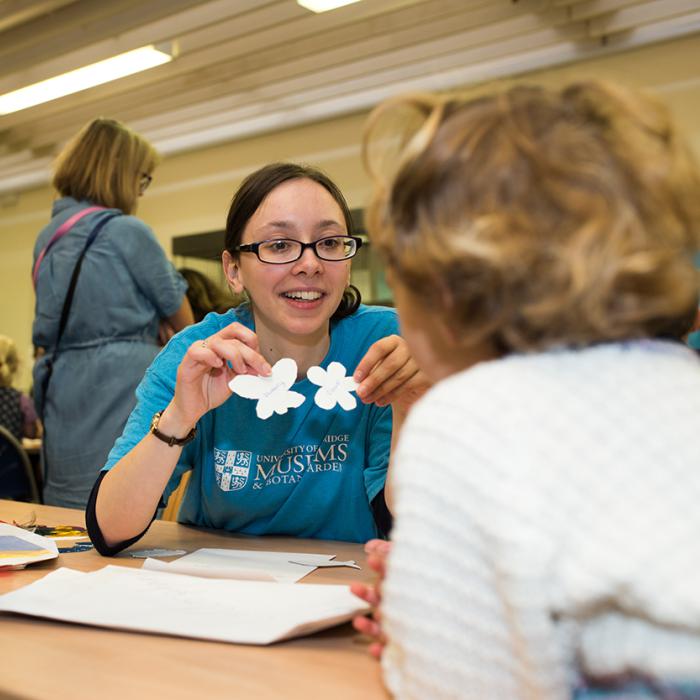
Why buy new clothes when old clothes can look at good as new? Come along to our sustainable clothes & textiles event, where we will have expert craft people on hand to share their textiles skills. You'll be able to convert old t-shirts into something new, re-style your current garments plus learn how to repair and mend your favourite items. We are delighted to be working with fashion students from The Cambridge School of Visual & Performing Arts - who will be on hand with all your styling tips!
Same-sex desire does not need modern labels and categories in order to exist across time.
From goddesses and ancient myths to powerful emperors explore the spectrum of identities that exist across time, place and culture in amongst the statues and sculptures of the atmospheric Cast Gallery at the Museum of Classical Archaeology.
Presenting new and recent paintings, this exhibition will be Portia Zvavahera’s first solo exhibition at a public gallery in Europe. Drawing on southern African culture, Christian iconography, traditional European painting and African printmaking, this exhibition will show artworks informed by the artist’s own dreams and the spiritual traditions she grew up with as a child.
These semi-autobiographical works use layers of colour and texture and various artistic techniques including batik stencilling, block-printing, drawing and painting with ink.
Animals don’t do sexual identity; they just do sex.’
From same-sex sexual behaviour in giraffes and penguins to the scientists working in the field of zoology. How do the labels and categories we give animals affect the way we interact with the natural world?
Our volunteer guides share their personal selection of fascinating stories about gender and sex in the animal world at the Museum of Zoology.
Tour Dates:
These tours happen throughout the year, with more dates added every few months. Current dates are:
From 21 September, visitors to the Whipple Museum will encounter an example of “guerilla history” - a blue plaque from nearby Bene’t Street which was repeatedly graffitied to acknowledge Rosalind Franklin’s enormous contribution to our understanding of genetics.
Explore the links between sport and our mental wellbeing in this insightful conversation led by Chris Young, co-curator of our exhibition ‘Paris 1924: Sport, Art and the Body’. He’s joined by mental health expert and former athlete Professor Gordon Harold and health science historian, Vanessa Heggie.