Join guest artist Suman Gujral and Heong Gallery, Downing College curator Dr Prerona Prasad as we discuss how today's museums can remain relevant and the role they and artists can play in engaging audiences with the concerns of a 21st century global Britain.
Join us at the Polar Museum with author Katherine MacInnes to celebrate International Women's Day this March. Discover the untold stories of the race for the South Pole from the perspective of the women whose lives would be forever changed by it.
Discover complex, intriguing and challenging stories about power within our collections.
Join us for The Power Walk series - an opportunity to share and exchange stories and ideas linked to the University of Cambridge Museum's investigation of the legacies of empire and enslavement, power and memory with our communities and audiences.
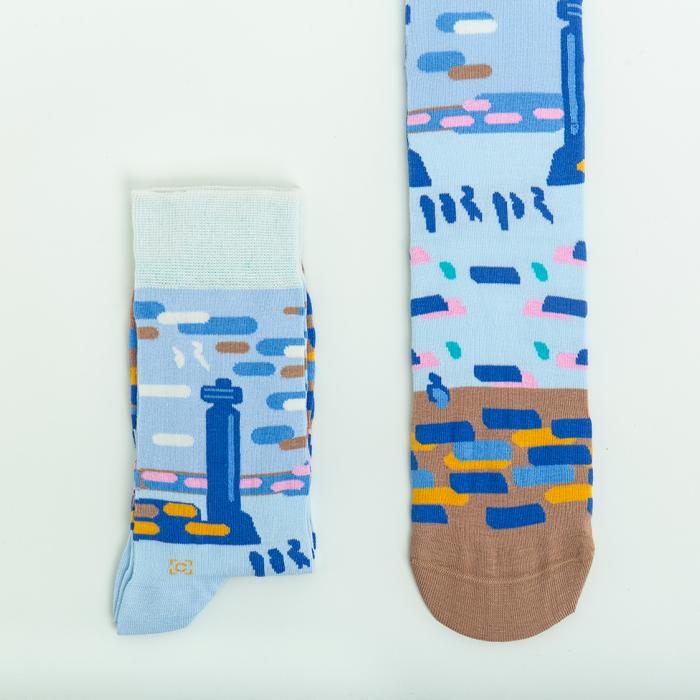
Curator, Anastasia Christophilopoulou talks about the community engagement project and associated artists involved in the Museum’s new exhibition ‘Islanders: The Making of the Mediterranean'.
This talk will also be livestreamed - if you would prefer to join us online, please go to our separate booking page.
Free tickets available on request for students, university staff and companions of guests with disabilities, please email tickets@museums.cam.ac.uk
Join Curator, Anastasia Christophilopoulou, online to learn more about the Museum’s new exhibition and the research project behind it, which began back in 2018. Discover more about the research themes and the overall contribution it has made to its field.
Free tickets available on request for students, university staff and companions of guests with disabilities, please email tickets@museums.cam.ac.uk
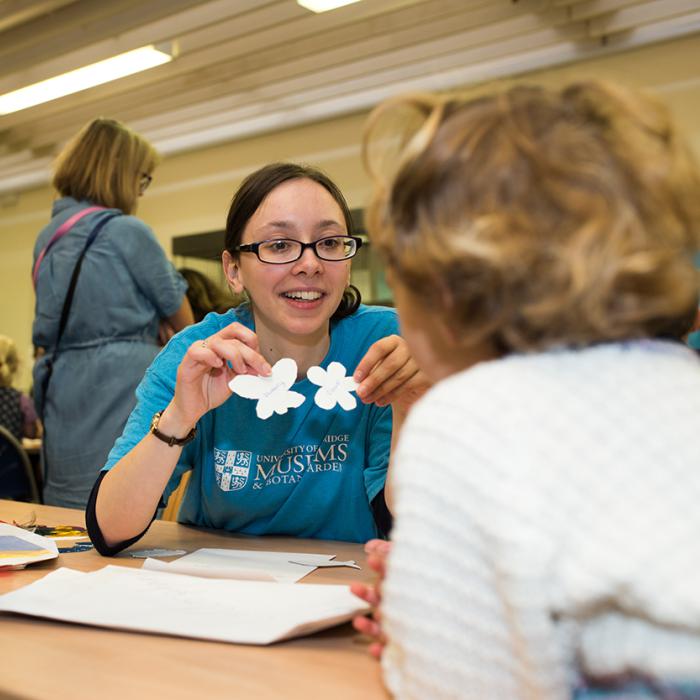
Join us for our wellbeing and making workshops at the Polar Museum! Meet and Make at the Museum sessions are all about giving you a supportive and social space to be creative. Making new crafts, making space for yourself, and making new connections. A chance for you to explore working with different materials and learn new skills with others.
Spanning almost 400 years, this display of prints and drawings explores some of the ways artists have responded to political violence and social injustice. Drawn from collections at the Fitzwilliam Museum and the Museum of Archaeology and Anthropology, the display surveys different forms of witnessing: works by artists who had direct experience of horrors, or who grew up in the shadow of terrible events; those who were commissioned to give visual form to the words of others, and those who assimilate in their work the trauma of distant ordeals.
Jane Joseph is a painter and printmaker, whose etchings to accompany Primo Levi's 'If This is a Man' feature in 'Bearing Witness?'. Join this in-conversation talk to find out more about how the commission came about and her practice at large.
Join artist Marcelle Hanselaar to find out more about her practice: namely the fierce and sometimes troubled cohabitation with those raw desires, secret fantasies, uncultivated instincts and our functioning in a civil society.
Travelling through the seasons we will explore the history, folklore and culture of three wild plants in bloom (or at least in foliage!) that month. The session will encourage you to search out plants in all seasons and enjoy the history in folklore and culture, and their use for medicines, cooking as well as the many and varied traditional names which help us trace that history.