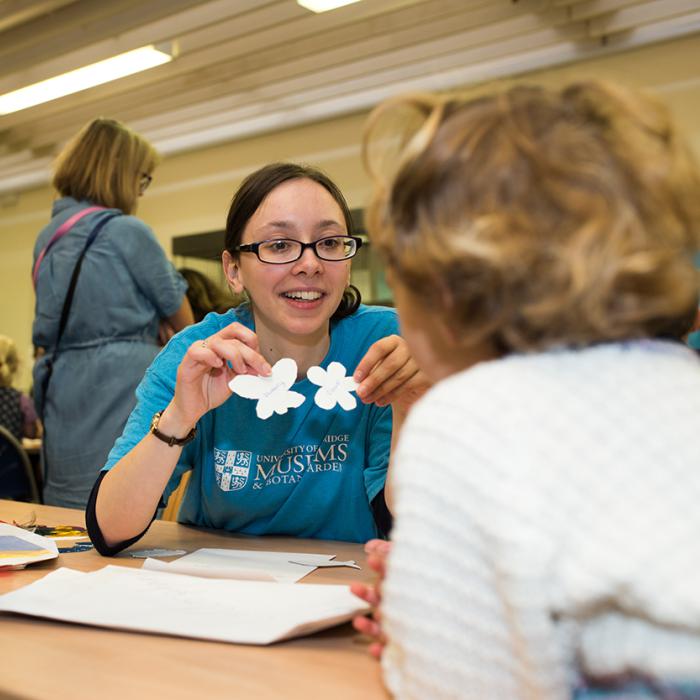
This virtual workshop will introduce you to the weird and wonderful world of spices. We’ll take you on a journey to far flung places to find out where our familiar and not so familiar spices come from. We’ll explore the different plants and plant families they come from and learn a bit about their history. What’s the difference between herbs and spices? How do spices pack such a punch of flavour? What’s the best way to use and store your spices at home? Which spices are easy to grow for yourself? Find out these ans
From poisonous plants to poison gardens, gothic garden murder mysteries, and tragic tales of plant hunters, the garden is full of fatalities. In the midst of the hum and buzz of garden life we are stalked by dangers and beset with metaphors of momento mori. A Garden of Eden replete with serpent and wolfsbane. Taking inspiration from horticulture, history and literature we will explore the ways in which gardens and plants can literally be a “fatal attraction”. You may never dare to go into your garden again!
2021 has been declared the International Year of Fruits and Vegetables by the United Nations. Promoting the contribution of fruits and vegetables to diversified, balanced and healthy diets and lifestyles is amongst its aims. This course will explore the chemistry and botany of the main “edible” plant families that contribute fruits and vegetables to the human diet. We will examine the chemistry behind the superfood headlines, discover how plants can be used as crop protection agents and reveal the chemical truth of urban legends such as “green potatoes are poisonous”.
Nowhere in Britain has been shaped by humans as much as Fenland.
Colour in plants is of great cultural importance, influencing many areas of human endeavour including horticulture, art, and gastronomy. Colour also plays a vital role in the biology of plants by absorbing harmful radiation from the sun, capturing light to drive photosynthesis and signalling the availability of flowers and fruit.
Gardens are by definition ‘hives’ of sexual activity from the drowsy bee drenched in pollen to the Temples of Venus that entice us into 18th century landscapes where immorality lurks in the ha-ha. This morning course will trip lightly through the biology of pistils, pastimes of pastoral poets, a plethora of amorous potions, with literary delights of sensual scents on the terrace with Mr Rochester and coy invitations to lurk in the shrubbery.
Trees have been used throughout history and up to the present day for a vast array of purposes utilising almost every part of them. Looking at twelve trees as examples, this half-day workshop will explore the lives of trees through a selection of their uses including as materials, to provide food and as sources of medicinal compounds, considering the history of and the science behind these uses. Our interactions with trees can tell us a lot about ourselves and we’ll consider some of the folklore we have attached to them and also their importance to us.
Humphry Repton (1752–1818) ambitiously styled himself Capability Brown’s successor: the century’s next great improver of landed property. Developing a new aesthetic, which he termed ‘Ornamental Gardening’, his landscapes were laced with flowers and crammed with exotic features. Immortalized in Jane Austen’s novel Mansfield Park, Repton turned his hand to everything from ghoulish garden mausoleums to George IV’s seaside palace, Brighton Pavilion.
Half remembered names from childhood lead us back into a lost garden world where Rose of Spain lay next to the Rose of the Indies, Soldiers and Sailors marched through the borders, and Melancholy Gentleman joined with Mourning Widow in the shady nooks. A Ladder to Heaven might rescue you from an Impudent Lawyer or should you put your faith in a Spangled Beau? Join us to explore the origin and identification of these traditional garden flower names and many more, as we celebrate the joy of Summer Sottekins and Steeple Bells!