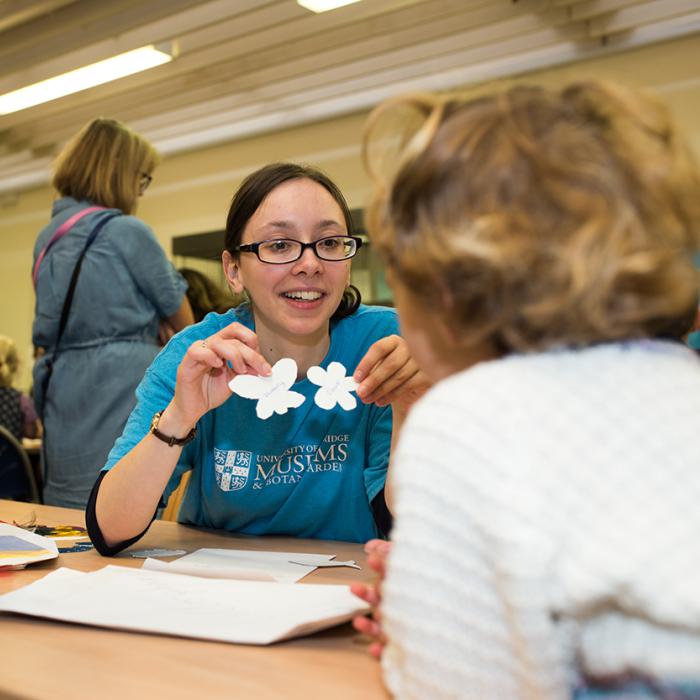
We are proud to present our LGBTQ+ tour as part of the University of Cambridge Museums Bridging Binaries programme.
It's hard to say for certain that a 19th century scientist was queer just from their memoirs. It's difficult to know whether they were in a romantic relationship with the ‘secretary’ they lived with, or were they just that – a secretary? In the same era, were the two women who lived together for thirty years really just ‘close friends’? Looking for queerness in museum collections can be challenging.
We are proud to present our LGBTQ+ tour as part of the University of Cambridge Museums Bridging Binaries programme.
It's hard to say for certain that a 19th century scientist was queer just from their memoirs. It's difficult to know whether they were in a romantic relationship with the ‘secretary’ they lived with, or were they just that – a secretary? In the same era, were the two women who lived together for thirty years really just ‘close friends’? Looking for queerness in museum collections can be challenging.
Bridging Binaries at the Museum of Classical Archaeology
From goddesses and ancient myths to powerful emperors explore the spectrum of identities that exist across time, place and culture in amongst the statues and sculptures of the atmospheric Cast Gallery at the Museum of Classical Archaeology.
Bridging Binaries at the Museum of Classical Archaeology
From goddesses and ancient myths to powerful emperors explore the spectrum of identities that exist across time, place and culture in amongst the statues and sculptures of the atmospheric Cast Gallery at the Museum of Classical Archaeology.
Bridging Binaries at the Museum of Classical Archaeology
From goddesses and ancient myths to powerful emperors explore the spectrum of identities that exist across time, place and culture in amongst the statues and sculptures of the atmospheric Cast Gallery at the Museum of Classical Archaeology.
Bridging Binaries at the Museum of Classical Archaeology
From goddesses and ancient myths to powerful emperors explore the spectrum of identities that exist across time, place and culture in amongst the statues and sculptures of the atmospheric Cast Gallery at the Museum of Classical Archaeology.
Bridging Binaries at the Museum of Classical Archaeology
From goddesses and ancient myths to powerful emperors explore the spectrum of identities that exist across time, place and culture in amongst the statues and sculptures of the atmospheric Cast Gallery at the Museum of Classical Archaeology.
Volunteer guides share their personal selection of fascinating stories which challenge binary approaches to gender and sexual identity through a range of lesbian, gay, bisexual, transgender and queer-related objects related to Ancient Greece and Rome.
Meeting Contemporary Greenland:
A Greenlandic Perspective on Language, Identity and Hope
From Naja:
Learn about a range of queer stories and those who challenged gender expectations throughout history, from trans lichenologist Elke Mackenzie, to the deep love expressed by some expedition members for their companions, to artistic expressions of gender over long polar winters, to the surprising connection between Hunter & Palmers biscuits and the taboos around discussing homosexuality in the 20th century.
Important Information
Join us after hours for our Late themed around our Frank Bowling: Seeking the Sublime display, in collaboration with Diasporas Now.
Experience live performance, music, dance, and participatory workshops responding to the vibrant abstraction of Frank Bowling, in a cross-diasporic celebration that moves beyond the canvas.
Diasporas Now’s takeover invites Global Majority artists and communities into collective mapping – transforming the museum into a meeting point within a wider movement toward collective knowledge-making and the shaping of culture and identity.