During winter, it’s harder for animals to find food but animals like squirrels, moles, foxes and jays have a clever trick up their sleeves. They create a store (or a cache) of food by hiding it underground, or in their nests or dens. They can then go back to it whenever they feel hungry.
Test your cache-finding memory with this matching game. You can play on your own or with another person.
Artist Kaitlin Ferguson shows you how to make your own ichthyosaur using a fossil from the Sedgwick Museum’s collection as inspiration.
There are two different makes that you can try depending on how much time you have.
Make one: Ichthyosaur template
Make two: salt, flour and water to make salt dough (or plasticine or playdough)
Dragons do not only populate the myths and legends of the past, but also the world around us.
Zoology PhD student Tom Jameson takes us on a journey of discovery with the world's largest reptiles.
Learn how Komodo dragons play an important role in regulating and managing the ecosystems in which they occur, and how without them the whole ecosystem is at risk: HERE BE DRAGONS!
While we sleep at night, a world of nocturnal animals are going about their lives outside. Creatures like foxes and mice, owls and badgers and bats and moths tend to sleep or shelter during the day, and search for food at night.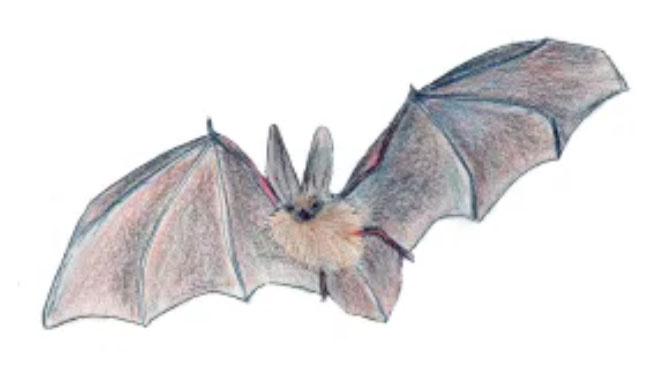
Normally found in the krill-rich waters of the Arctic and Antarctic, the humpback whale swims up to 25,000 km per year, including to warmer waters to breed and give birth.
The seasonally-changing songs of male humpbacks echo through the ocean waters. Measuring up to 16m in length and weighing 25-30 tonnes, these large mammals eat krill, which they filter out of the water through hair-like bristles in their mouth called baleen. They are incredibly agile, often swimming near the surface, where they fluke and breach.
It’s estimated that there are about 20 million penguins in Antarctica. When it’s really cold they huddle together to keep warm. The most extreme huddle ever recorded was 19 Emperor penguins within a square metre!
Have a go at making your own penguin. All you need is some paper, and a pen for drawing on the eyes.
The narwhal is a relative of the beluga whale. Both types of whale are medium sized and live in Arctic waters all year round. They are sometimes called unicorns of the sea because of their long spiralled tusk.
This pack includes a pattern to download and step by step instructions for making your own narwhal.
Nobody knows exactly what the world looks like to a bee, but one thing’s for sure, everything looks very different to how we see them.
Download this activity to find out about bee vision and make a special rainbow using only the colours bees can see.
You will need:
Follow the step by step instructions and learn how to draw some of the museums favourite animals. You will also get a fact file with more information about your animal
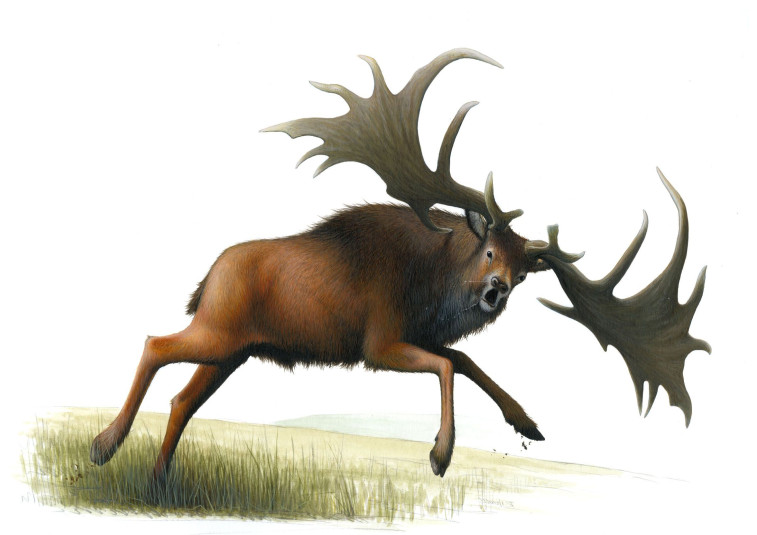 Megaloceros - giant elk from the Ice Age
Keep the sun off with this toothsome dinosaur visor.
For this activity you will need:
- Thin card
- Scissors
- Elastic – something like a large rubber band or some string
- Coloured pens, pencils, any other decorations you like